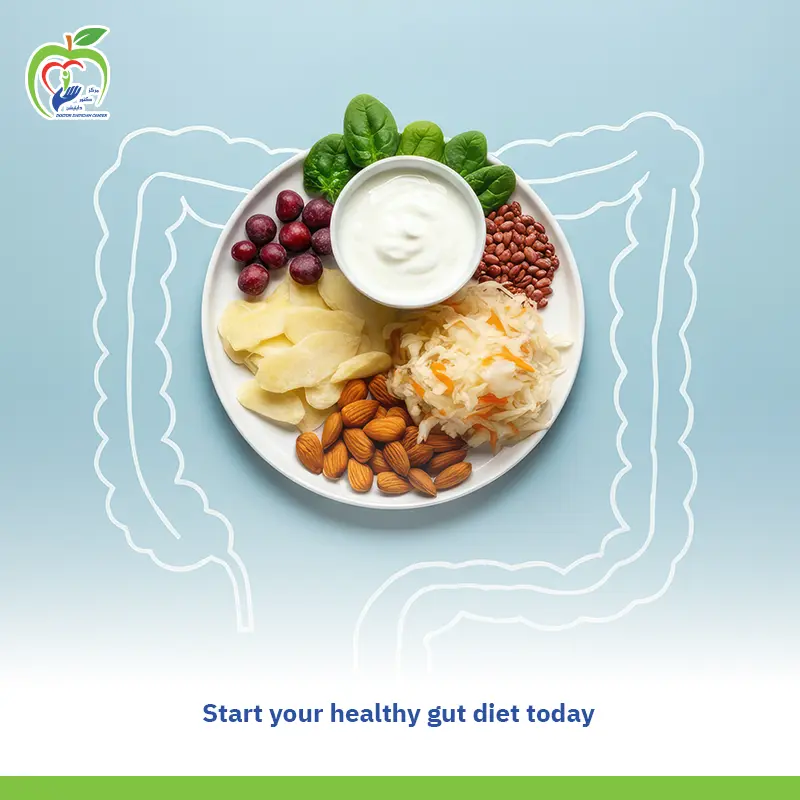

Eating for energy means focusing on balanced meals with complex carbs, lean proteins, healthy fats, fruits, and veggies for sustained fuel, while staying hydrated with water and limiting simple sugars for quick, but short-lived boosts. Key foods include whole grains (oats, brown rice), nuts, seeds, lean meats, eggs, leafy greens, and fruits like bananas and berries, providing slow-release energy and essential nutrients to prevent fatigue.
Why Your Diet Affects Energy Levels?
Energy is not just a feeling; it is a biological process that depends heavily on what you eat, how often you eat, and how well your body can use nutrients. Every movement you make, every thought you process, and every task you complete relies on energy produced from food. When nutrition is unbalanced, energy production becomes inefficient, leading to fatigue, mental fog, and reduced physical performance.
The body converts food into energy through complex metabolic pathways. Carbohydrates are broken down into glucose, which fuels the brain and muscles. Proteins support muscle repair and enzyme function, while fats provide long-lasting fuel and support hormone production. A balanced diet for energy ensures that these systems work together instead of competing with one another.
Blood sugar stability plays a central role in how energetic you feel throughout the day. Meals high in refined sugars may give a short burst of energy, followed by a rapid crash. In contrast, foods for energy that contain fiber, protein, and healthy fats help slow digestion and provide steady fuel. This is why eating for energy is less about quick fixes and more about consistent nourishment.
Micronutrients also influence energy levels. Iron supports oxygen transport, B vitamins assist in converting food into usable energy, and magnesium helps muscles and nerves function properly. Deficiencies in these nutrients can lead to chronic tiredness even when calorie intake seems adequate.
Hydration is another often-overlooked factor. Even mild dehydration can reduce concentration, endurance, and alertness. When the body lacks water, energy production becomes less efficient, making fatigue more noticeable.
In short, what you eat directly shapes how you feel. Choosing the right foods consistently can transform low energy into sustainable vitality, both physically and mentally.

Best Foods for Sustained Energy
Sustained energy comes from foods that release fuel slowly and support overall metabolic health. These foods help maintain focus, physical stamina, and emotional balance throughout the day.
Whole grains are a cornerstone of long-lasting energy. Oats, brown rice, quinoa, and whole-grain bread provide complex carbohydrates and fiber, which prevent rapid spikes and drops in blood sugar. Including whole grains in energy boosting meals supports endurance and mental clarity.
Lean proteins are essential for muscle maintenance and steady energy. Eggs, poultry, fish, legumes, and Greek yogurt help stabilize blood sugar and reduce cravings. A high protein breakfast, for example, can significantly improve alertness and reduce mid-morning fatigue.
Healthy fats play a crucial role in sustained energy. Nuts, seeds, olive oil, and avocados provide concentrated fuel and support brain health. These fats slow digestion, helping energy last longer between meals.
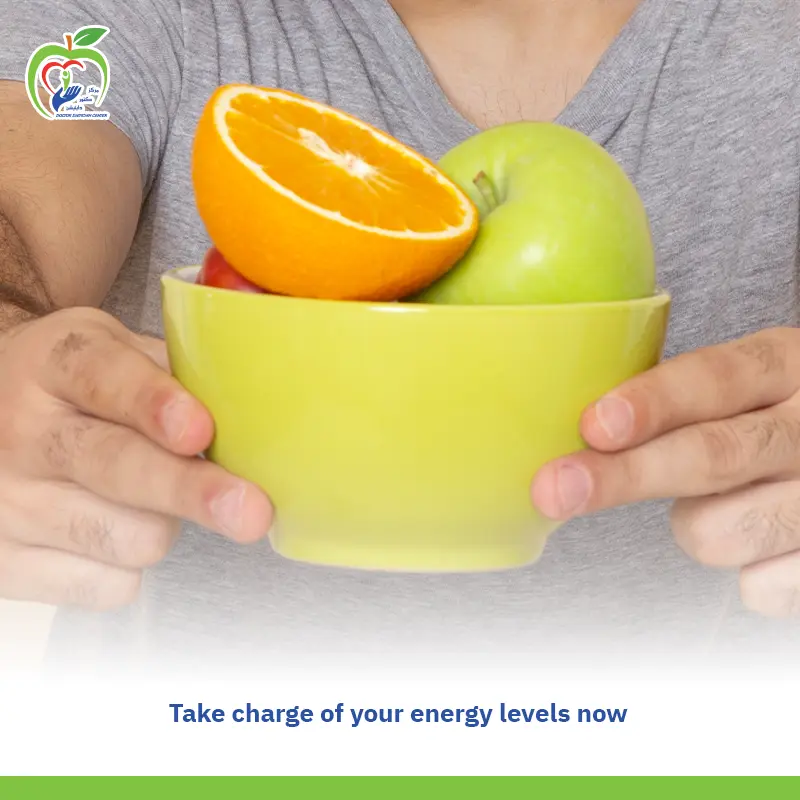
Fruits and vegetables contribute vitamins, minerals, and antioxidants that protect cells involved in energy production. Bananas provide potassium for muscle function, berries offer antioxidants that fight fatigue, and leafy greens supply iron and magnesium.
Dairy and fortified alternatives supply calcium and vitamin D, supporting muscle contraction and nerve signaling. Yogurt and kefir also contain probiotics, which may improve nutrient absorption and overall vitality.
Combining these foods into balanced meals allows the body to access energy gradually. Meals that include carbohydrates, protein, and fats together are more effective than meals focused on a single nutrient.
Foods That Drain Your Energy
Some foods may feel satisfying at first but ultimately leave you feeling sluggish and tired. Understanding these foods helps you make better daily choices.
Highly refined carbohydrates, such as white bread, pastries, and sugary cereals, are quickly digested. They cause sharp rises in blood sugar followed by rapid drops, leading to fatigue and irritability.
Sugary drinks are another common energy drain. Soda, sweetened coffee beverages, and energy drinks may provide temporary stimulation, but the crash that follows often leaves you more tired than before.
Highly processed foods often contain unhealthy fats, excess sodium, and artificial additives. These foods can increase inflammation and slow digestion, making the body work harder and reducing available energy.
Excessive alcohol consumption interferes with sleep quality and nutrient absorption. Even moderate intake can disrupt energy levels the following day, affecting focus and motivation.
Large, heavy meals high in saturated fat may divert blood flow to digestion, causing drowsiness. This is why oversized meals can leave you feeling sleepy instead of energized.
Being aware of these foods does not mean eliminating them entirely, but limiting their frequency can significantly improve how you feel day to day.
Meal Planning for All-Day Vitality
Planning meals with energy in mind helps prevent fatigue and supports consistent performance. Structured eating patterns provide reliable fuel for the body and brain.
Starting the day with a high protein breakfast sets the tone for stable energy. Eggs with whole-grain toast, yogurt with nuts, or legumes with vegetables help maintain focus and reduce energy dips.
Balanced lunches should include complex carbohydrates, lean protein, and healthy fats. For example, grilled chicken with quinoa and vegetables offers steady fuel without heaviness.
Dinner should be nourishing but not overly heavy. Including vegetables, protein, and moderate carbohydrates supports recovery without interfering with sleep.
Snacks play an important role in preventing energy crashes. Healthy snacks for fatigue include fruit with nut butter, yogurt with seeds, or hummus with vegetables. These options keep blood sugar steady between meals.
Spacing meals every three to four hours helps maintain consistent energy levels. Skipping meals often leads to overeating later and worsens fatigue.
Meal preparation can make healthy choices easier. Planning energy boosting meals in advance reduces reliance on convenience foods that drain vitality.

Daily Habits to Maximize Food Energy
Energy is influenced not only by what you eat, but also by how you live. Daily habits can either enhance or diminish the benefits of a nutritious diet.
Eating mindfully improves digestion and nutrient absorption. Slowing down and paying attention to meals allows the body to process food more efficiently.
Regular physical activity enhances circulation and mitochondrial function, improving how the body uses energy from food. Even light movement, such as walking, can boost alertness.
Sleep quality strongly affects energy metabolism. Poor sleep disrupts hunger hormones and increases cravings for quick energy foods, creating a cycle of fatigue.
Managing stress is essential. Chronic stress increases energy expenditure and interferes with digestion, making even a balanced diet for energy less effective.
Staying hydrated throughout the day supports blood flow and nutrient transport. Drinking water consistently is one of the simplest ways to support energy.
Consistency matters more than perfection. Small, sustainable habits practiced daily have a greater impact on energy than occasional extreme changes.
FAQs
What are the best foods for sustained energy?
The best foods for sustained energy include whole grains, lean proteins, healthy fats, fruits, and vegetables. These foods provide slow-releasing fuel and essential nutrients that support steady energy levels.
Can certain foods make you more tired?
Yes, foods high in refined sugar, processed ingredients, and unhealthy fats can cause energy crashes and increase feelings of fatigue after eating.
How should I plan meals for all-day energy?
Plan meals that combine carbohydrates, protein, and fats, eat regularly, and include healthy snacks for fatigue to maintain stable energy throughout the day.
Are snacks important for energy levels?
Snacks help prevent blood sugar drops between meals. Choosing nutrient-dense snacks supports focus and physical stamina.
How quickly can dietary changes affect my energy?
Some people notice improved energy within days, while others may take a few weeks. Consistency is key to lasting results.