
A healthy digestive system is the foundation of overall well-being. In recent years, growing scientific evidence has highlighted the strong connection between gut health and immunity, mental clarity, metabolism, and even mood regulation. Following a healthy gut diet is no longer just about avoiding stomach discomfort. It has become a cornerstone of long-term health and disease prevention.
This guide explores how a well-structured dietary approach can support gut balance, improve digestion, and help your body function at its best.
What Is a Healthy Gut Diet?
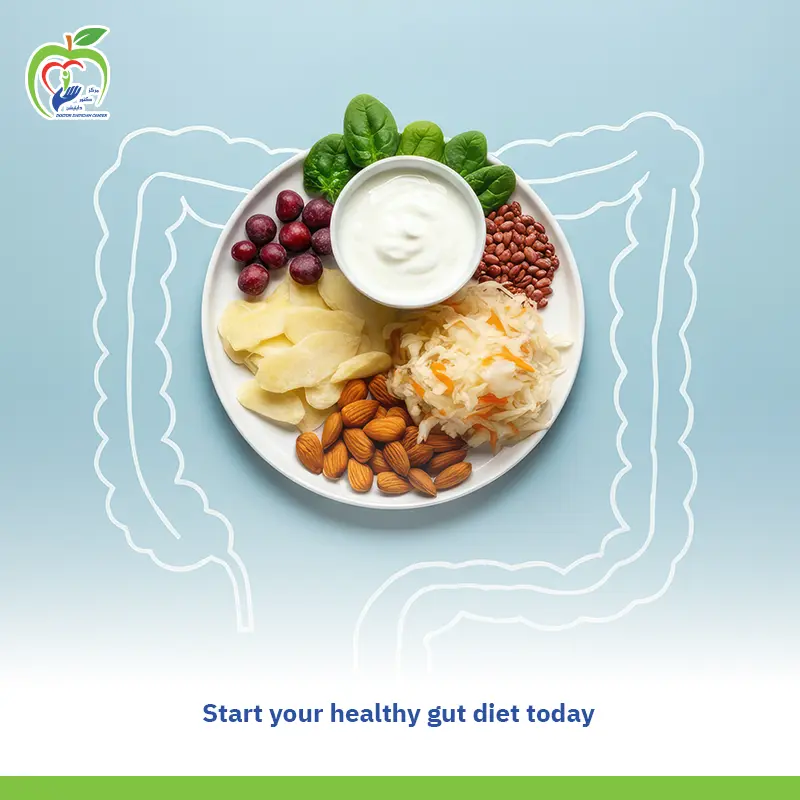
A healthy gut diet is an eating pattern designed to support the balance and diversity of beneficial bacteria living in the digestive tract. These microorganisms play a vital role in digestion, nutrient absorption, immune defense, and inflammation control.
Rather than focusing on strict restrictions, this dietary approach emphasizes nourishment. It encourages whole, minimally processed foods that feed beneficial gut bacteria while reducing substances that disrupt the digestive environment.
A healthy gut diet aims to:
- Improve digestion and nutrient absorption
- Support the natural gut microbiome
- Reduce bloating, gas, and discomfort
- Strengthen immune function
- Enhance energy levels and mental clarity
At its core, this way of eating promotes harmony between food intake and digestive system support.
Why Gut Health Matters More Than You Think
The gut is often referred to as the “second brain,” and for good reason. It houses trillions of bacteria that influence nearly every system in the body.
Poor gut health has been linked to:
- Digestive disorders
- Chronic inflammation
- Weakened immunity
- Hormonal imbalances
- Mood disturbances
A balanced gut environment helps regulate digestion, supports metabolism, and protects the intestinal lining. This is why choosing the right gut health foods can have effects far beyond digestion alone.
Top Foods for Boosting Gut Health
Fiber Rich Foods and Their Role in Digestion
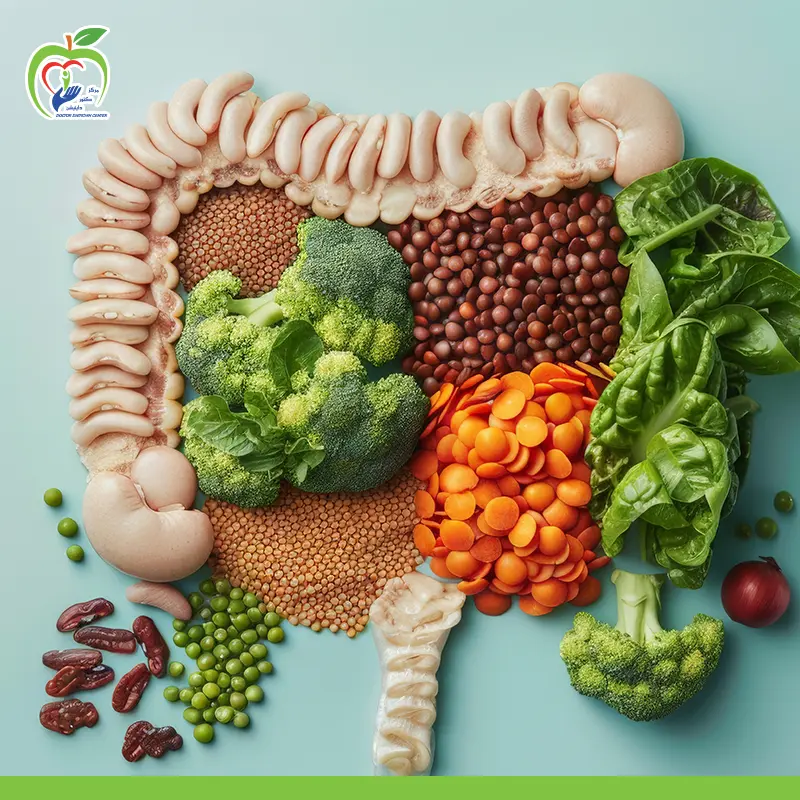
Dietary fiber is one of the most important components of a healthy gut diet. Fiber acts as fuel for beneficial bacteria, helping them thrive and produce compounds that protect the gut lining.
Examples of fiber rich foods include:
- Oats and whole grains
- Legumes such as lentils and chickpeas
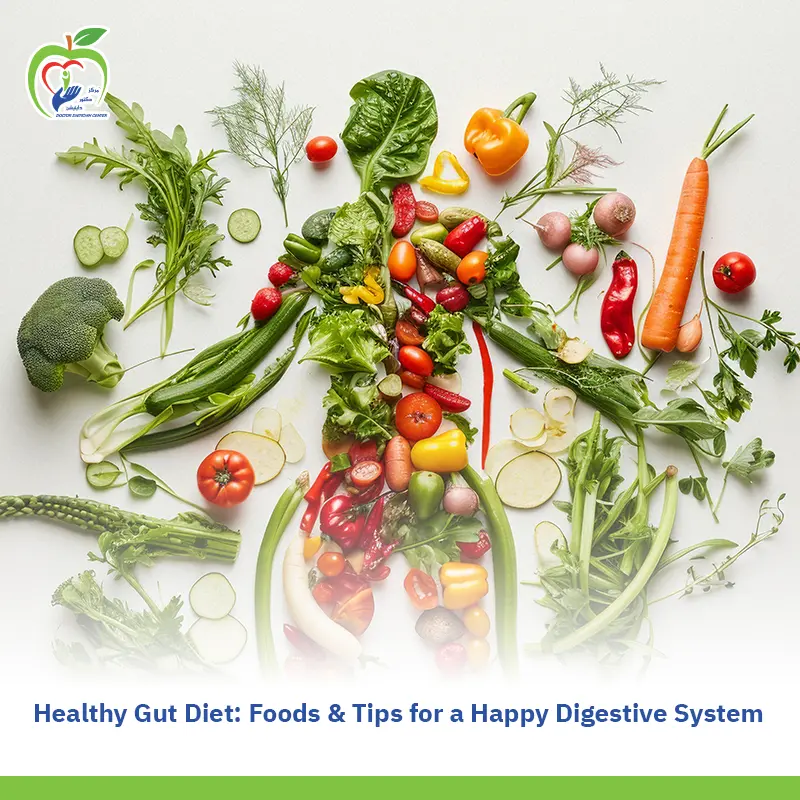
- Vegetables like broccoli, carrots, and leafy greens
- Fruits including apples, berries, and pears
A steady intake of fiber supports regular bowel movements and contributes to long-term digestive system support.
Fermented Foods and Gut Balance
Fermented foods are naturally rich in beneficial microorganisms that help maintain a balanced gut microbiome. These foods introduce live bacteria that enhance digestion and strengthen gut resilience.
Common fermented foods include:
- Yogurt with live cultures
- Kefir
- Sauerkraut
- Kimchi
- Miso
Regular consumption of fermented foods can help restore gut balance, especially after antibiotic use or periods of digestive stress.
The Importance of Probiotics in a Healthy Gut Diet
Probiotics are live microorganisms that offer health benefits when consumed in adequate amounts. They support digestion, help control harmful bacteria, and improve gut barrier function.
Natural sources of probiotics include fermented dairy and plant-based foods. In some cases, supplements may be recommended, but food-based sources are generally preferred for sustainable results.
Probiotics play a supportive role in:
- Reducing digestive discomfort
- Improving nutrient absorption
- Supporting immune defenses
Foods That Hurt Your Digestive System
Not all foods support gut health. Certain dietary choices can disrupt the balance of gut bacteria and weaken digestive function over time.
Highly Processed Foods
Processed foods often contain additives, preservatives, and refined sugars that negatively affect gut bacteria diversity.
Excess Sugar Intake
High sugar consumption encourages the growth of harmful bacteria, leading to inflammation and digestive imbalance.
Artificial Sweeteners
Some artificial sweeteners may alter gut bacteria composition and contribute to digestive discomfort.
Excessive Alcohol
Alcohol can irritate the gut lining and disrupt the balance of beneficial microorganisms.
Reducing these foods helps protect gut health and allows beneficial bacteria to flourish.
How to Plan a Balanced Gut-Friendly Meal
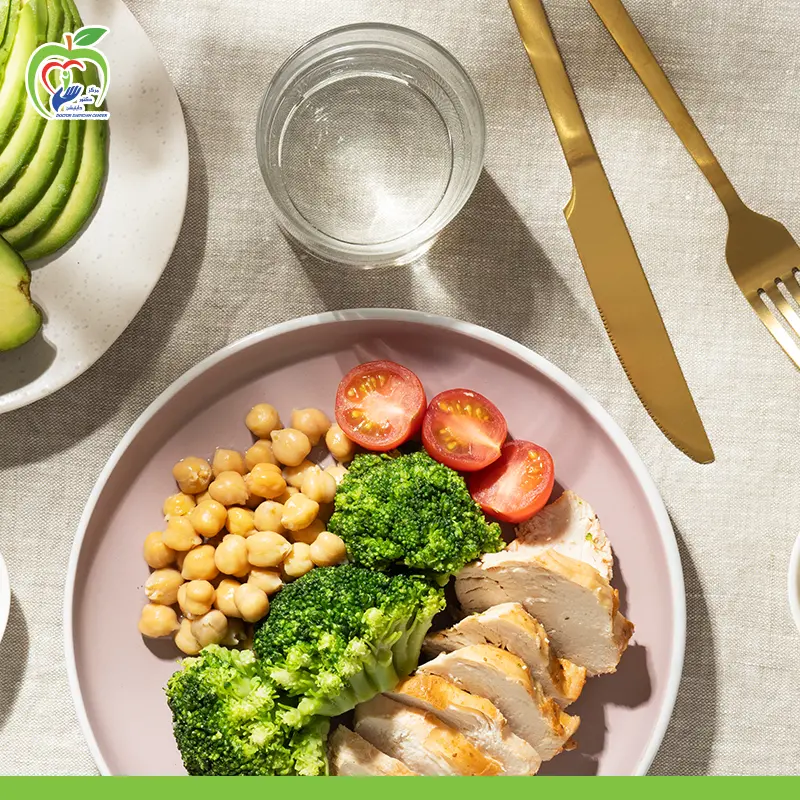
Creating meals that support digestion does not require complexity. A balanced gut-friendly plate focuses on variety, freshness, and moderation.
A supportive meal typically includes:
- A source of fiber rich foods
- High-quality protein
- Healthy fats
- Fermented foods in small amounts
Practical Meal Planning Tips
- Combine vegetables with whole grains for fiber diversity
- Include fermented foods several times per week
- Rotate food choices to support microbial variety
- Eat slowly to aid digestion
Balanced meals promote stable energy levels and prevent digestive overload.
Lifestyle Tips to Support a Healthy Gut
Diet alone is not enough. Daily habits significantly influence digestive health and gut balance.
Manage Stress Levels
Chronic stress negatively affects gut function and microbial balance. Relaxation techniques such as deep breathing and mindfulness support digestion.
Stay Physically Active
Regular physical activity promotes healthy bowel movements and supports gut motility.
Prioritize Sleep
Quality sleep allows the digestive system to repair and regenerate, contributing to gut health stability.
Stay Hydrated
Adequate water intake supports digestion and helps fiber work effectively.
These lifestyle habits work alongside dietary choices to maintain a resilient digestive system.
Common Signs of an Unhealthy Gut
Understanding early signs of gut imbalance can help prevent long-term issues.
Common indicators include:
- Frequent bloating or gas
- Irregular bowel movements
- Food sensitivities
- Fatigue after meals
- Skin issues
Addressing these signs early with dietary and lifestyle changes can restore balance and comfort.
Long-Term Benefits of Following a Healthy Gut Diet
A consistent gut-focused dietary approach provides benefits that extend beyond digestion.
Long-term improvements may include:
- Stronger immune response
- Reduced inflammation
- Improved mental clarity
- Better weight management
- Enhanced overall vitality
This approach supports sustainable health rather than short-term fixes.
A healthy gut diet is not about perfection. It is about consistency, awareness, and balance. By choosing nourishing foods, limiting harmful ingredients, and supporting digestion through lifestyle habits, you can create a strong foundation for long-term health.
Small daily choices add up. When your gut thrives, your entire body benefits.
Frequently Asked Questions
What is a healthy gut diet?
A healthy gut diet is an eating pattern that supports beneficial gut bacteria through whole foods, fiber rich foods, fermented foods, and balanced nutrition. It focuses on long-term digestive system support rather than restrictive eating.
Which foods improve gut health the most?
Foods that improve gut health include vegetables, whole grains, legumes, fermented foods, and foods naturally rich in probiotics. These nourish beneficial bacteria and support gut balance.
Can probiotics really help digestion?
Yes, probiotics can help digestion by improving gut bacteria balance, supporting nutrient absorption, and reducing digestive discomfort when consumed regularly as part of a balanced diet.
How long does it take to see results from a gut diet?
Some people notice improvements within a few weeks, while others may need several months. Results depend on consistency, individual gut health, and overall lifestyle habits.
Are there foods that harm gut health?
Yes, excessive intake of processed foods, refined sugars, artificial sweeteners, and alcohol can negatively affect gut health and disrupt microbial balance.